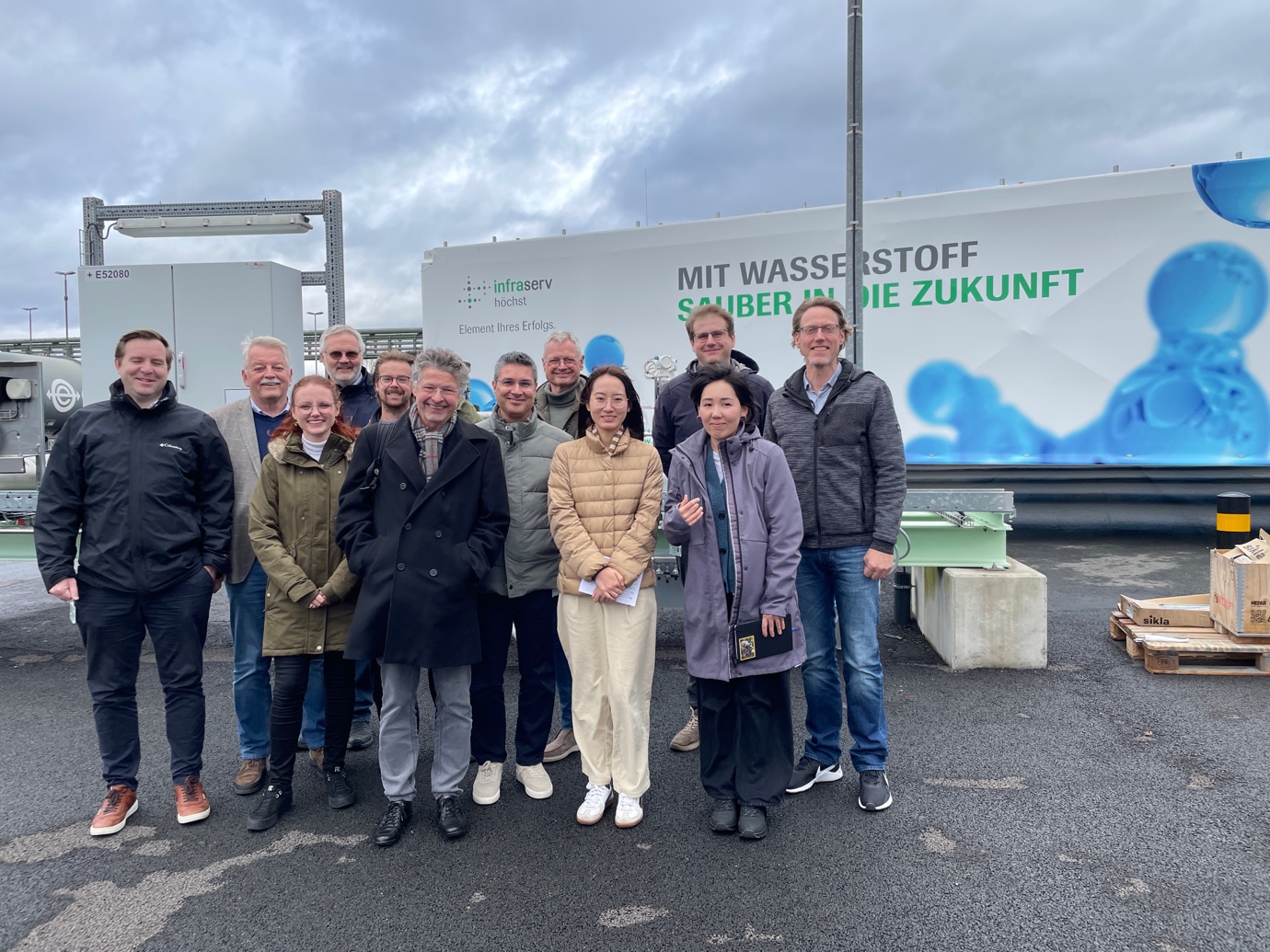
Source: Infraserv Höchst
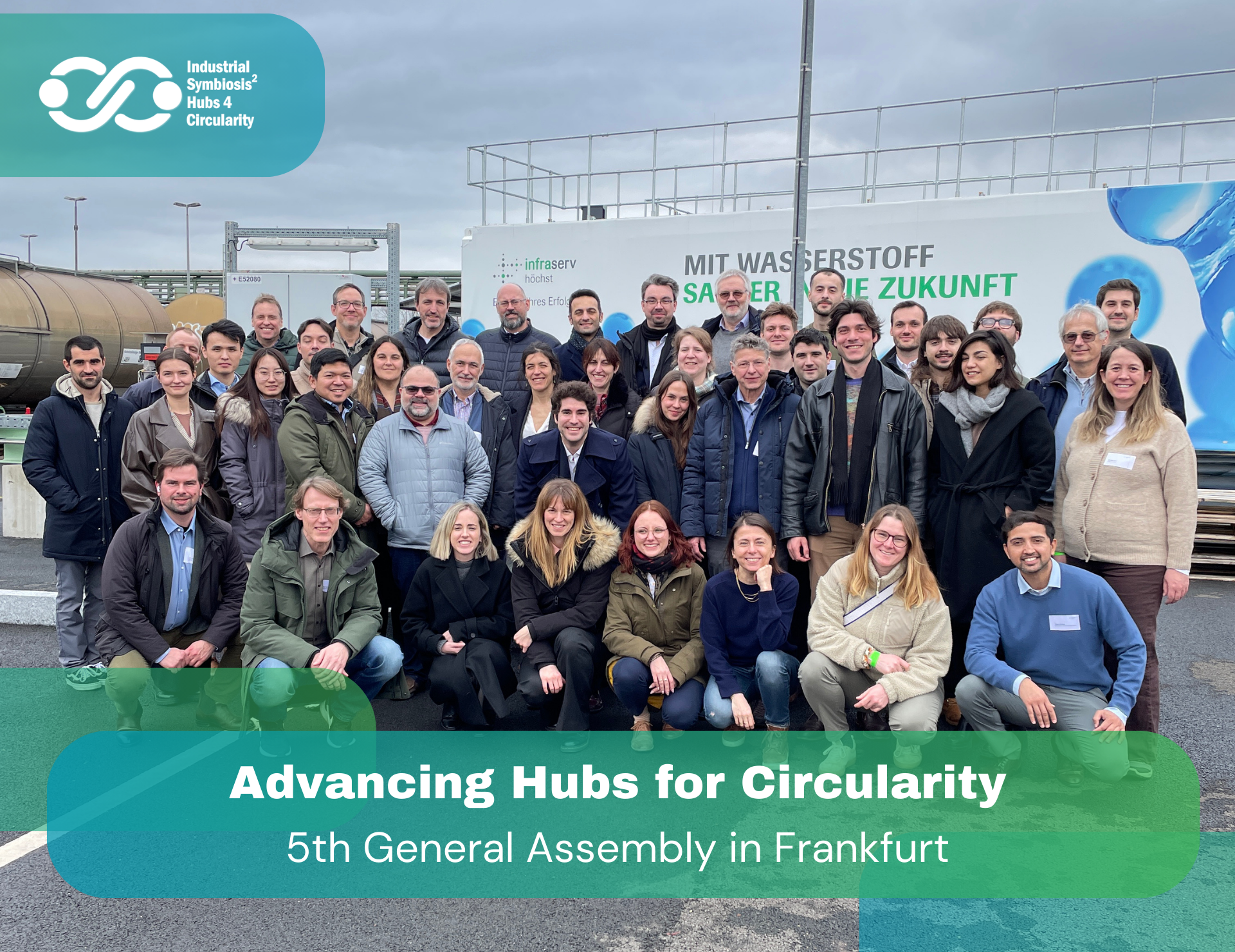
On 28 October 2025, partners of IS2H4C’s Work Package 3 (WP3) gathered for their latest coordination meeting – a hybrid event hosted on-site at Industriepark Höchst by Infraserv Höchst. The meeting brought together representatives from academia, industry, and innovation clusters to exchange updates on ongoing research and practical steps toward strengthening the social dimension of Europe’s industrial transition.
WP3: Understanding the Human and Social Drivers of Circular Transformation
WP3 explores how social, economic, and institutional factors influence the success of Hubs for Circularity (H4Cs). Its focus goes beyond technological innovation to address questions of trust, acceptance, inclusiveness, skills, and governance. The work package connects social science research with on-the-ground activities in the project’s four demonstration hubs (Germany, the Netherlands, the Basque Country, and Türkiye).
The goal is to identify what makes industrial symbiosis socially viable and regionally embedded, ensuring that the transformation to circular and carbon-neutral industry happens with people, not just through technology.
The October Meeting: Bridging Research and Real-World Practice
The October WP3 meeting, hosted by Infraserv Höchst at the German Hub, provided a platform to align research tasks with ongoing developments across the hubs. The discussion centred on how to integrate social engagement activities, such as Living Labs and Expert Panels, into the continuous work of each regional cluster.
Following the discussions, participants on-site had the opportunity to explore Industriepark Höchst more closely. During a guided tour, they were introduced to the park’s versatile hydrogen infrastructure—from production and storage to its use in industrial processes. The tour offered impressive insights into the existing expertise and technical capabilities that make Industriepark Höchst a key location for sustainable energy and circular economy solutions.
Key discussion points included:
- Living Labs – preparation for local kick-off events in 2025/2026, addressing themes such as social acceptance of industrial transformation and local regulatory frameworks.
- Trust and Acceptance Models – updates from the University of Twente on agent-based modelling of inter-company and business-to-consumer trust.
- Social Network Analysis – mapping resource and communication flows within the hubs, with early findings already submitted for publication.
- Job Creation and Skills Development – insights from Circle Economy highlighting the evolving demand for digital and green skills, and the importance of inclusive employment strategies.
- Expert Discussion Panels – review of the first panel on Resilient Industry (held in Lisbon) and preparation for the next event, focused on Social Engagement for Sustainable Industrial Symbiosis.
Next Steps: From Dialogue to Co-Creation
The consortium agreed on several next steps, including refining the Living Lab concept, integrating social indicators into hub monitoring, and preparing for the upcoming General Assembly at Industriepark Höchst in February 2026.
In line with WP3’s mission to connect research and stakeholder engagement, the next Expert Panel Discussion – Building Bridges: Social Engagement for Sustainable Industrial Symbiosis – will take place online on 26 November (09:00-11:00 CET). This event will bring together voices from academia, civil society, industry, and trade unions to explore how communities and institutions can support circular transitions at scale.
About WP3
Work Package 3, led by Technische Universität Dortmund (TUDO), focuses on Societal, Governance, and Business Innovation for H4Cs. Through cross-disciplinary research and collaborative engagement, WP3 provides tools, indicators, and insights that help industry, policymakers, and citizens navigate the human side of circular transformation.